blackjackrulesbook.com

Master Blackjack Rules and Strategy Today

Discover everything you need to know about blackjack at Blackjack Rules Book. Whether you're a beginner learning the basics or an experienced player refining your skills, our comprehensive guide covers all aspects of this timeless casino game.

From essential rules and player options to advanced techniques like card counting and betting systems, we provide clear, expert advice to help you play smarter and reduce the house edge.

Explore blackjack variations, side bets, payouts, and table etiquette to elevate your game and enjoy every hand with confidence.

Blackjack Rules Overview

Blackjack, also known as 21, is a comparing card game between a player and dealer. The objective is simple: beat the dealer by having a hand value closer to 21 without exceeding it.

The game uses one or more 52-card decks. Cards 2-10 are worth face value, face cards (J, Q, K) are 10, and Aces are 1 or 11. Aces and 10-value cards form a natural blackjack, the best hand.

Play begins with players placing bets. The dealer gives two cards to each player and themselves (one up, one down). Players act first, then the dealer reveals their hole card.

  • Bets are paid even money for winning hands.
  • Blackjack pays 3:2 traditionally.
  • Ties (pushes) return the bet.

Basic Strategy for Blackjack

Basic strategy is a mathematically optimal set of decisions for every possible hand against the dealer's upcard. Following it reduces the house edge to under 0.5%.

Key principles include always standing on hard 17+, hitting on 12-16 against dealer 7+, doubling on 11, and splitting pairs like 8s and Aces.

Strategy varies slightly by rules (e.g., decks, dealer hits/stands on soft 17). Use our charts for quick reference during play.

  • Hard totals: Hit, stand, double based on dealer upcard.
  • Soft totals: Leverage Ace flexibility for aggressive plays.
  • Pairs: Split strong pairs, never split 10s.

Popular Blackjack Variations

Blackjack offers exciting variations to keep gameplay fresh. Common ones include European Blackjack (no hole card), Atlantic City Blackjack (late surrender), and Multi-Hand Blackjack.

Spanish 21 removes 10s but adds bonuses for 21s. Blackjack Switch allows swapping cards between hands but pushes on dealer 22.

Pontoon and Vegas Strip adapt rules for different paces and payouts. Always check variation-specific strategy to maintain low house edge.

Card Counting Techniques

Card counting tracks high-to-low card ratios to predict favorable decks. Legal but casinos dislike it; practice discreetly.

The Hi-Lo system is beginner-friendly: +1 for 2-6, -1 for 10-A, 0 for 7-9. True count = running count / decks remaining. Bet more on positive counts.

Advanced systems like KO or Zen improve accuracy. Combine with camouflage plays to avoid detection.

  • Running count: Tracks deck composition.
  • True count: Adjusts for remaining cards.
  • Bet spread: Increase wagers on player advantage.

Effective Betting Systems

Betting systems manage wagers but don't beat the house edge long-term. They help control variance.

Martingale doubles after losses for recovery but risks large bets. Paroli positives progression on wins. Flat betting stays consistent.

1-3-2-6 cycles bets for profit locking. Use with basic strategy for best results.

  • Martingale: Double after loss.
  • Paroli: Double after win, reset after three.
  • Labouchere: Cross off sequence numbers.

Understanding House Edge

House edge is the casino's average profit per bet. Basic strategy drops it to 0.5% in standard rules.

Factors increasing edge: 6:5 payouts (avoid), dealer hits soft 17 (+0.2%), fewer decks. Side bets often exceed 5% edge.

Choose games with 3:2 payouts, single-deck potential, and player-friendly rules to minimize it.

Dealer Rules Explained

Dealers follow fixed rules: stand on all 17s (S17) or hit soft 17 (H17). They hit below 17, stand on 17+.

In American games, peek for blackjack on Ace/10 upcard. European no-peek leads to 'bust' losses.

Dealer acts last, resolving all player hands first.

Player Options in Blackjack

Players control their hands with these actions:

  • Hit: Take another card.
  • Stand: Keep current hand.
  • Double Down: Double bet, take one card.
  • Split: If paired, create two hands.
  • Surrender: Forfeit half bet (if allowed).

Insurance offered on dealer Ace: side bet pays 2:1 if dealer blackjack.

Side Bets and Their Risks

Side bets like Insurance (house edge ~7%), Perfect Pairs (~6%), or 21+3 (poker hand from two player + dealer cards) add fun but high edges.

Dragon Bet or Lucky Ladies pay big on suited outcomes but variance is extreme. Stick to main game for better odds.

Blackjack Payouts Guide

Standard payouts: Blackjack 3:2 ($15 on $10 bet), regular win 1:1, push returns bet.

6:5 blackjack worsens edge by 1.4%; seek 3:2 tables. Splits/doubles pay based on final hands.

Variations offer bonuses: e.g., suited blackjack 2:1 in some games.

Table Etiquette Essentials

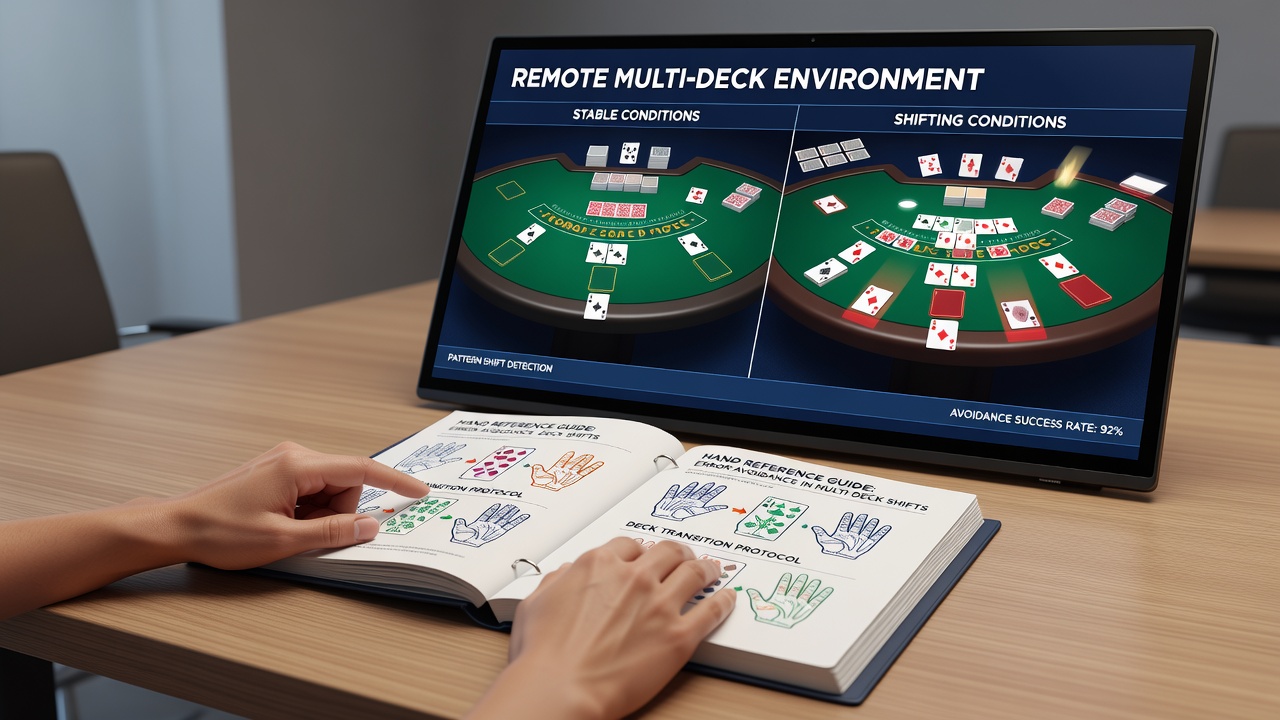
Respect the table: signal decisions (tap for hit, wave for stand) on felt; don't touch cards in hand-held games.

Don't advise others mid-hand. Tip dealers on wins. Keep drinks off layout.

Buy in politely, wait for shoe shuffle. Enjoy responsibly.